Building the Future of Psychedelic Care: Reflections on the FDA’s Public Hearing
By Erica Lalor, LMSW ·
Background
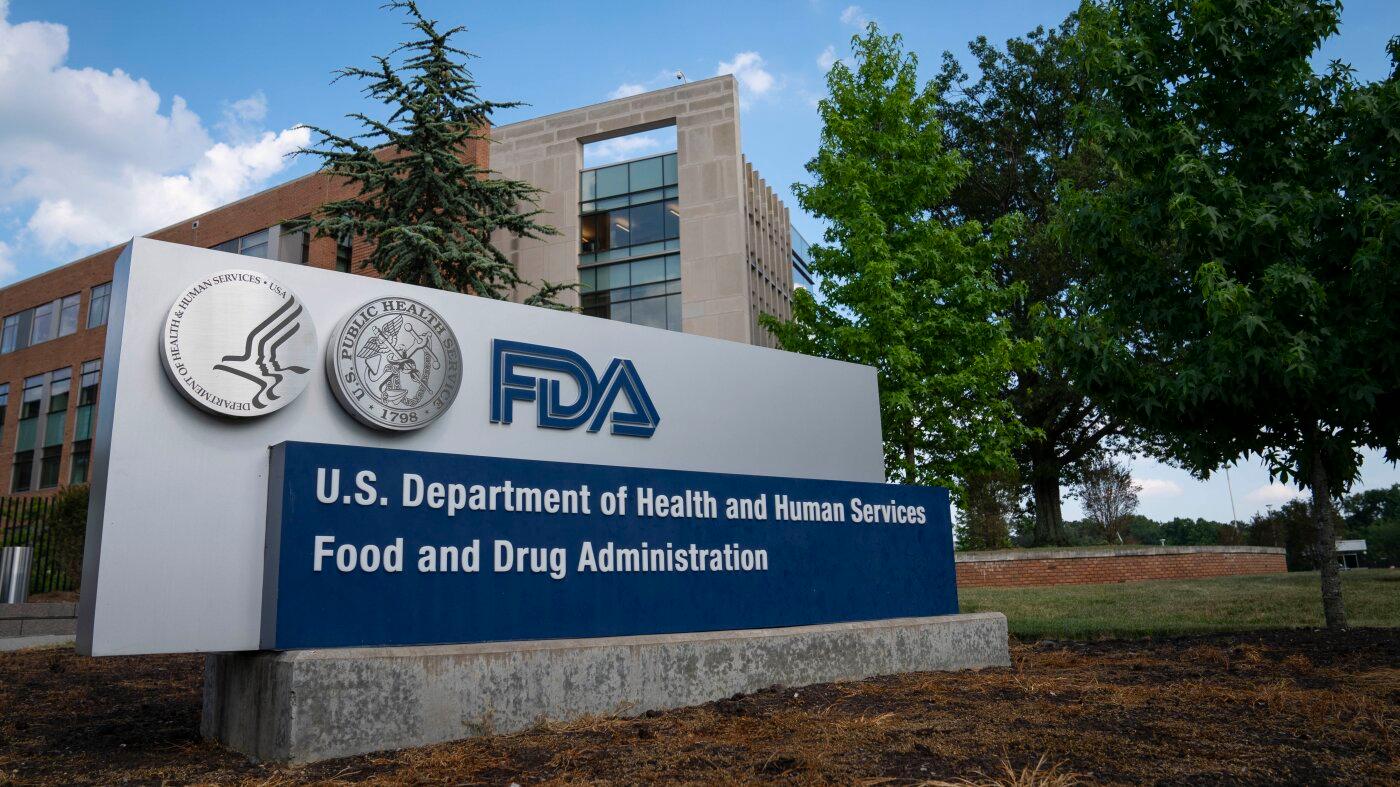
On September 14, 2026, the United States Food and Drug Administration (FDA) hosted a public hearing entitled “Considerations for Potential Future Use of Psychedelic Drugs.”
This hearing marked an important milestone in the evolving conversation around psychedelic treatments in U.S. healthcare. The question is increasingly moving beyond whether or not psychedelic treatments should have a place in healthcare, to an equally important one:
If psychedelic treatments do have a place in U.S. healthcare, how should they actually be delivered?
This hearing was part of a broader government effort to understand the challenges, opportunities, and considerations associated with potentially introducing psychedelic treatments into public healthcare. As psychedelic drug development advances, questions surrounding implementation, delivery, access, provider training, care coordination, and data collection are becoming increasingly relevant.
This hearing consisted of a listening panel of FDA officials and federal partners, including representatives from the Department of Veterans Affairs (VA) and the National Institutes of Health (NIH). Around 80 stakeholders from the public provided 2 minute comments, concerns, and recommendations related to four established topic areas;
- Provider training and credentialing
- Approaches to promoting patient safety
- Considerations for appropriate access
- Best practices for data collection and standardization.
Reflections As a psychotherapist trained in psychedelic therapy, preparation, and integration, I attended this hearing via livestream. I was encouraged by how many clinicians, researchers, advocates, individuals with lived experience, and other stakeholders showed up to voice thoughtful perspectives on what responsible psychedelic care might look like.
I was particularly interested in the intersection of provider training, patient safety, and accessibility. Considerations in this areas included questions like: Who should be considered qualified to provide psychedelic treatments? What sort of training would these providers need? And how can we allow psychedelic treatments to be made accessible without compromising patient safety or quality of care?
A common theme among commenters was that psychedelic drugs should be viewed as a component within a broader treatment context rather than a standalone drug treatment. There was far less agreement, however, about what that broader context should look like and who should be involved.
For example, many commenters voiced that psychedelic treatments should be conceptualized within the psychedelic-assisted psychotherapy model, which views psychedelic drugs as a catalyst to the therapeutic process. Such models typically include preparation before the experience, therapeutic support during treatment, and integration afterward to help individuals make meaning of the experience and translate insights into their lives.
One commenter captured the reasoning for the inclusion of a psychotherapy component particularly well by stating, “A [psychedelic drug] experience may open the door - but what matters is what may help someone build a life on the other side of it.”
Some clinical trials have intentionally separated psychedelic drugs from psychotherapy in order to better isolate and evaluate the effects of the drug itself. Several commenters urged the FDA not to allow this research design to determine how psychedelic treatments are ultimately implemented in real-world care. Geoff Bathje, for example, expressed disappointment with what he described as the minimization of the therapeutic relationship in psychedelic research for the purpose of isolating drug effects in clinical trials.
But not everyone shared the view that psychedelic treatment should necessarily involve psychotherapists.
One commenter suggested that the medical and psychological support components of psychedelic treatments could be provided by nurses, while others noted that psychedelic treatments for non-psychiatric conditions, such as chronic pain, may not always necessitate a formal psychotherapeutic component.
Peter Hendricks, a professor at the University of Alabama, raised another important concern: coupling psychedelic drugs with extensive psychotherapy could make treatment financially inaccessible to many low-income and uninsured patients.
Hendricks proposed a model involving different levels of support depending on the patient's needs: safety monitoring, psychological support, or psychotherapy.
I believe psychotherapy can play an important role in psychedelic treatment, not simply because of what occurs during the drug experience, but because of what happens before and afterward. Preparation may help patients approach an experience with greater understanding and psychological readiness, while integration can provide space to process difficult material, make meaning of what occurred, and translate insights into changes in everyday life.
At the same time, commenters were right to point out that requiring extensive psychotherapy could make already resource-intensive treatments inaccessible to many people.
Rather than viewing psychotherapy and accessibility as inherently competing priorities, however, I wonder whether the larger question should be how our healthcare and reimbursement systems can support both.
If the drug and the psychotherapy are seen as a “package deal” by insurers, accessibility has the potential to be greater than if the two are viewed and covered in isolation. Meaning, if psychedelic treatment is ultimately delivered through models involving preparation, administration, integration, and ongoing clinical care, reimbursement structures may need to reflect the full treatment process rather than only the drug itself.
Dr. Brigitte Gordon, Clinical Director of Journey Clinical, spoke to a similar concern. She argued that reimbursement should account for preparation and integration as well as care coordination between providers.
She also advocated for a broader approach to psychedelic education. Rather than limiting training to clinicians directly administering psychedelic treatments, she suggested that education extend to primary care providers, OB-GYNs, therapists, psychiatrists, and other professionals who may identify, refer, or support patients receiving these treatments.
Her comment that psychedelic treatments should become “part of healthcare - not a silo within it” particularly resonated with me.
To me, this may be one of the most important questions emerging from the hearing.
The ideal psychedelic treatment model may not be defined solely by who administers the drug or how many therapy sessions accompany it. It may instead depend on whether psychedelic care can be integrated into a broader healthcare system in which prescribers, primary care physicians, psychotherapists, nurses, specialists, and other providers communicate and coordinate care around the needs of the individual patient.
Of course, this raises a larger problem: healthcare in the United States is already frequently siloed.
Patients often receive psychiatric care, psychotherapy, primary care, and specialty treatment from clinicians who have limited communication with one another. Psychedelic treatments may therefore expose a challenge that extends far beyond psychedelics themselves.
Perhaps we need not only consider how to integrate psychedelics into the existing healthcare framework, but as what might psychedelic treatment teach us about how healthcare should be integrated in the first place?
Psychedelic care may offer an opportunity to think more intentionally about the biological, psychological, social, relational, and lifestyle factors that shape a person's well-being, and about how different healthcare professionals might work together rather than in isolation.
Overall, I was encouraged to see these questions being considered so thoughtfully as policymakers, clinicians, researchers, advocates, and patients imagine the potential future of psychedelic treatment in the U.S.
My hope is for a future in which psychedelic treatments, when appropriate, can exist within a broader therapeutic and integrated-care framework while remaining financially accessible to the people who may benefit from them.
The exact model will undoubtedly continue to be debated. But hearing such a wide range of perspectives gave me hope that the conversation is moving toward something larger than simply making psychedelic drugs available, and beginning to ask what ethical, accessible, evidence-based, and patient-centered psychedelic care should look like.
Source: U.S. Food and Drug Administration. (September 14, 2026). Considerations for Potential Future Use of Psychedelic Drugs [Public hearing]. YouTube.